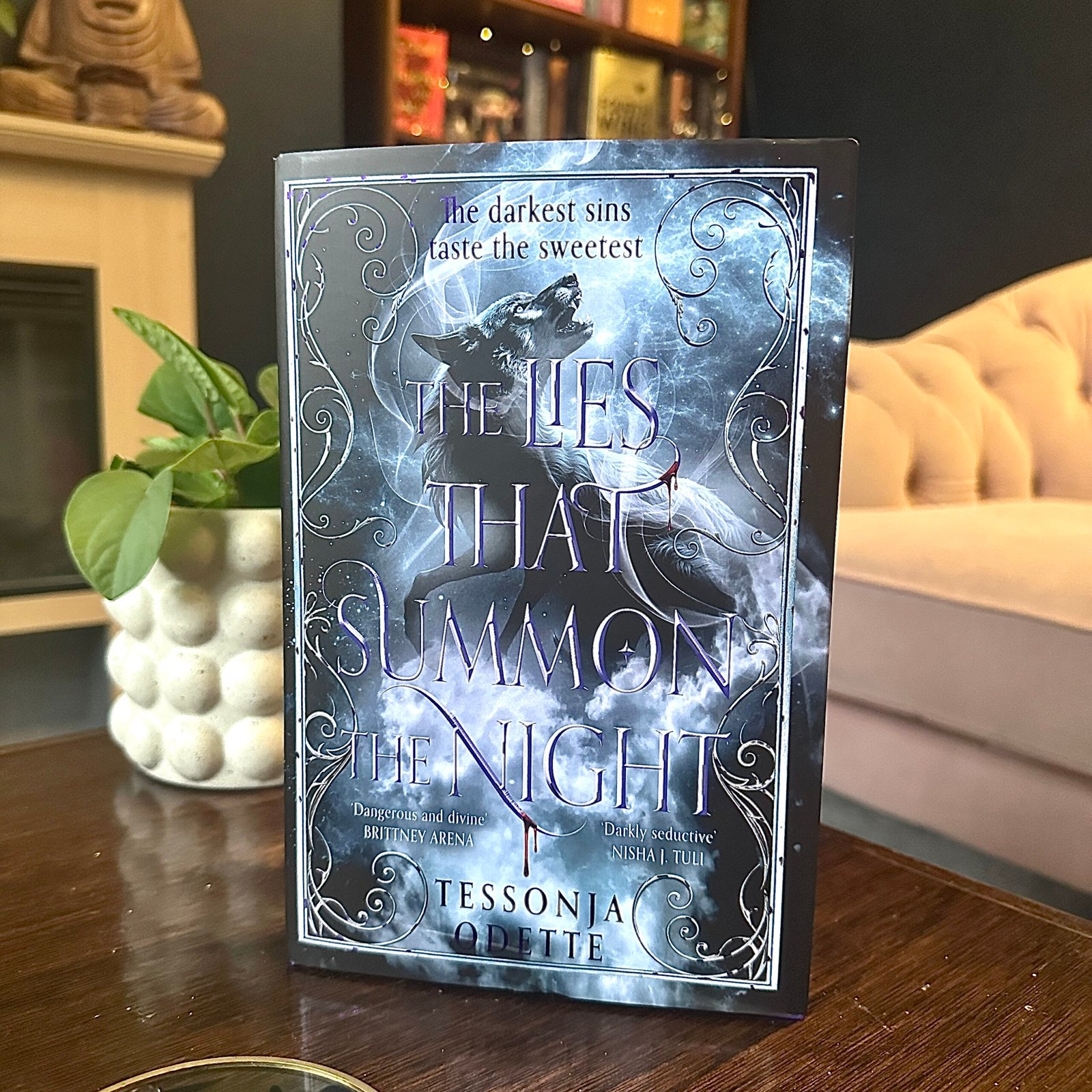
The Lies That Summon The Night Review: When Romantasy Plays It Safe
There aren’t many books I preorder (self-preservation is real), but when a close friend read an ARC of The Lies That Summon The Night and raved about it, I made an exception — helped along by Waterstones’ painted edge special edition and a preorder discount.
I went in completely blind. No blurb. No expectations. No prior attachment to the author. Just vibes.
And that’s probably the best way to approach it.
The Lies That Summon The Night
Tessonja Odette · Dark Romantasy · Book 1
Spice Rating: 🌶️🌶️🌶️
Tropes
Morally grey · Shadow wielding MMC · Forced Proximity · Hidden Power · Rewritten History
Best for
Readers new to Romantasy who enjoy familiar tropes delivered cleanly and accessibly.
In a world where art is outlawed and creative lies birth shadow monsters that haunt the night, Inana is a fugitive storyteller surviving on the fringes — her forbidden craft both her greatest asset and the thing most likely to get her killed. When Dominic, a half-Sinless monster hunter known as a Shadowbane, captures her, he offers an ultimatum: help him summon the very shadows her art attracts, or face death. Reluctant allies drawn into shared danger, they begin unravelling dark secrets about their world and each other — and a desire far riskier than any beast they’ve faced.
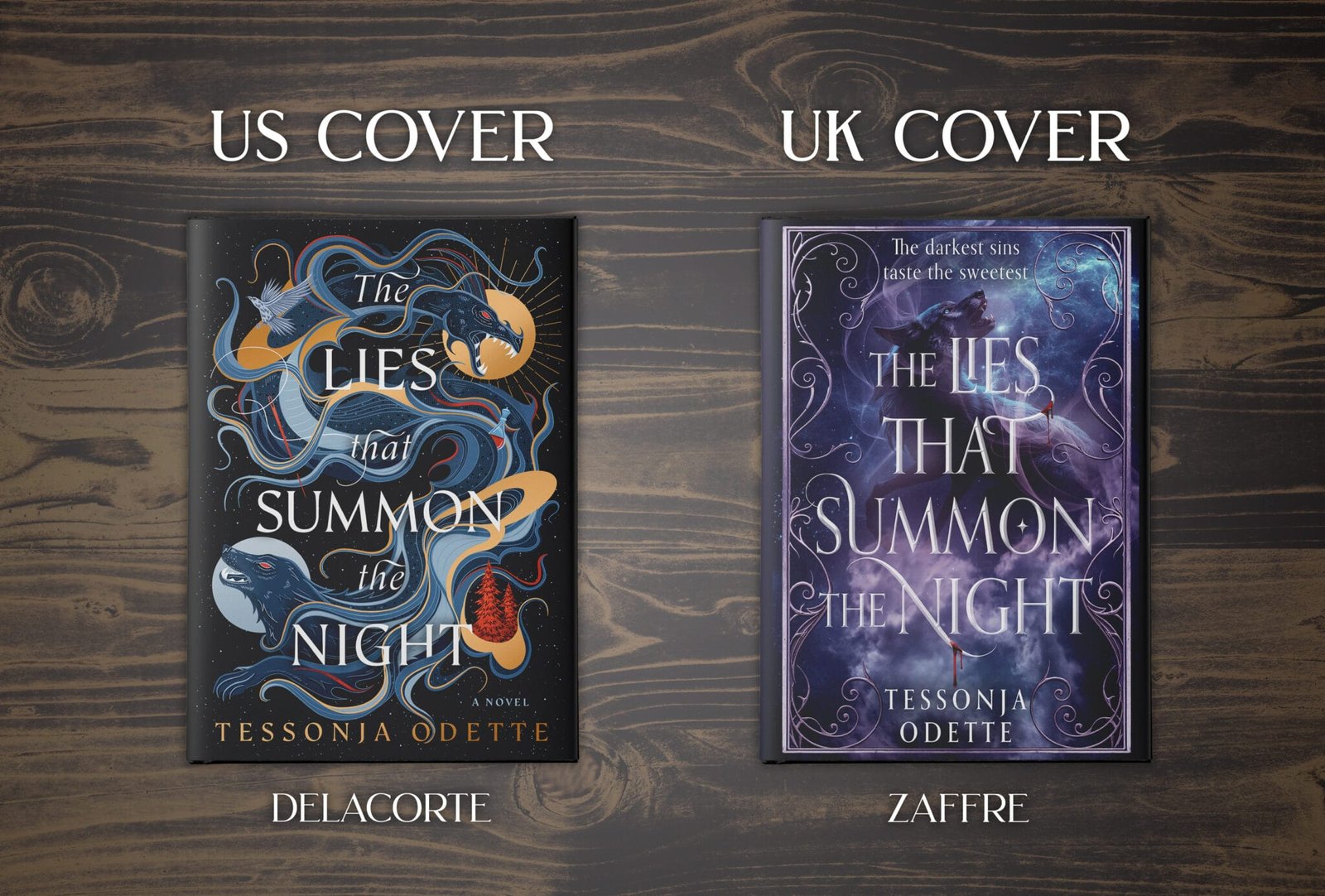
After years as a successful indie author, The Lies That Summon the Night marks Tessonja Odette’s traditional publishing debut — published by Zaffre in the UK and Delacorte in the US. An instant Sunday Times bestseller, it is available now from Waterstones and Amazon UK.
What Works
At its core, this is a very recognisable romantasy structure: a heroine with secrets she doesn’t fully understand, a morally grey man she’s forced into close proximity with, hidden power that slowly reveals itself, and a world where history and truth are not quite what they seem.
There are moments that genuinely work. The “only one cave” twist on forced proximity made me smile. The tension is steady. The pacing is accessible. It’s easy to read, and I can see why it will be beloved by readers stepping into romantasy for the first time. Dominic’s shades – Sloth, Lust and Pride – are for sure a highlight in the way the Surial was in ACOTAR and Andarna and Tairn are in Forth Wing.
But as someone who’s read a lot of this genre, I found it… safe.
From the writing desk

Finding My Voice Again: The Story Behind The Author
Daggermouth Review: Is the Hype Justified? (Honest & spoiler free)
Where It Fell Short
The central mystery — particularly the withheld truths about history, religion, and power — felt signposted rather than shocking. Instead of subtle foreshadowing or even a steady drip-fed revelation, it sometimes felt like the narrative was nudging me in the ribs saying, “Look at this.”
The characters are relatable, but they don’t quite stretch beyond archetype of “required side character”. I kept waiting for a sharper turn, a riskier choice, a moment that made me sit up and rethink what I thought I knew.
It also felt slightly short for the story it wanted to tell. Not in page count necessarily, but in emotional depth. The arcs didn’t quite stretch or challenge the characters in a way that felt transformative — I kept waiting for a moment that forced real growth, and it never quite arrived.
It’s not a bad book. It’s competent. It’s polished. It will absolutely find its readers.
It just didn’t surprise me.
Final Thoughts
Sometimes a debut lights the fuse rather than detonates.
That said, I’ve been here before. The first Throne of Glass book didn’t fully land for me either — and that series is now my Roman Empire. Sometimes a debut lays groundwork rather than detonates.
Will I be rushing to reread The Lies That Summon The Night? Probably not.
Will I be following along with future books in the series? Absolutely.
There’s enough promise here — especially in the world and the side elements like Dominic’s Shades — to make me curious about where it could go if it takes bigger risks next time.
If you’re newer to romantasy, or you love familiar tropes delivered cleanly and accessibly, this will likely hit.
If you’re looking for something that destabilises the genre or pushes beyond a familiar structure, you may find it predictable.